There is a distinct sense of dread that washes over a driver when they notice the engine temperature gauge steadily creeping into the red zone, especially while idling in heavy traffic or waiting at a drive-thru. In many cases, the culprit behind this sudden thermal spike is a malfunctioning radiator fan. This component serves as your engine’s critical line of defense, pulling cooling air through the radiator fins when your vehicle is moving too slowly to generate natural airflow.
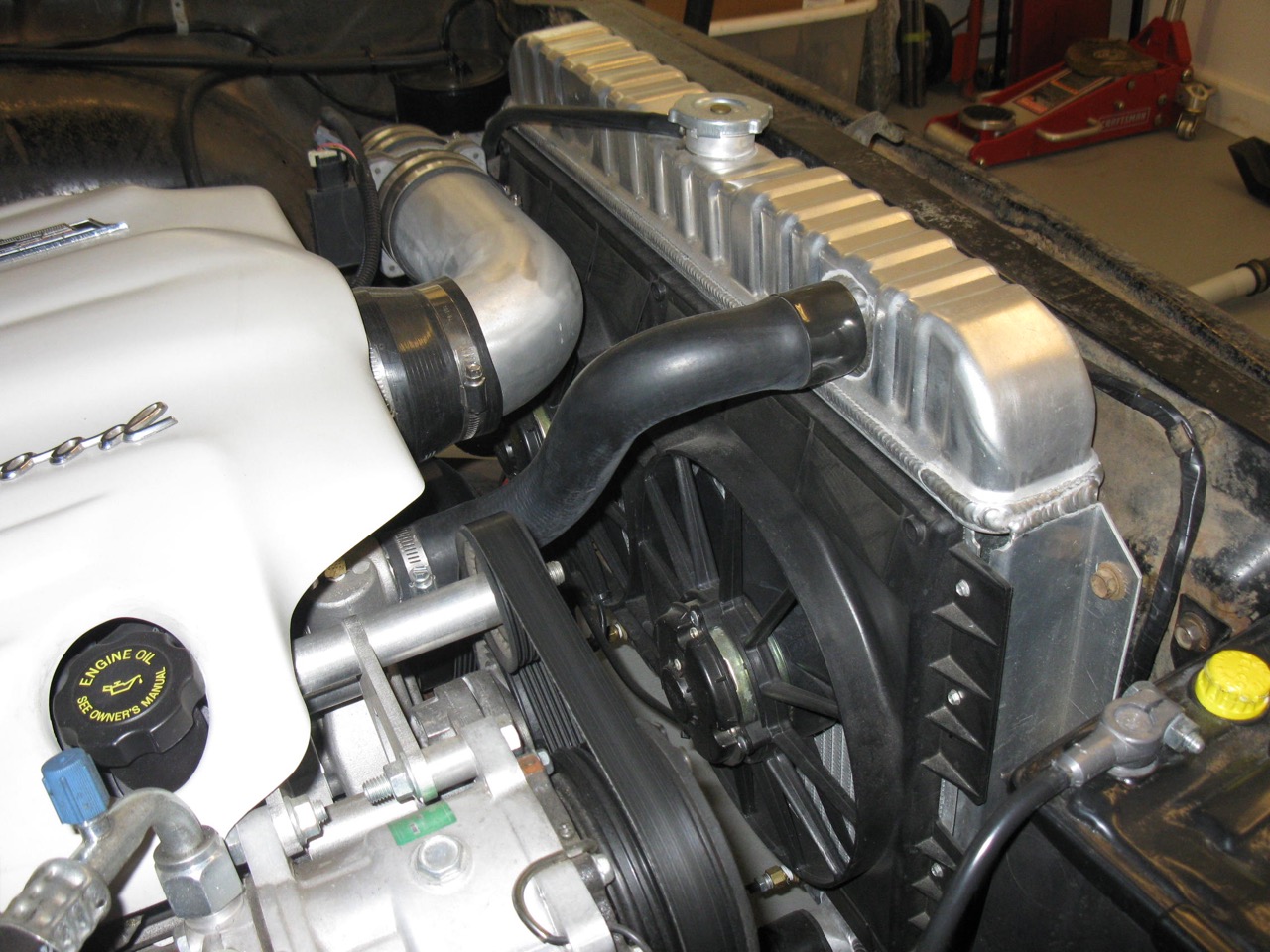
Ignoring a faulty radiator fan is a recipe for catastrophic financial consequences. While replacing the fan itself requires a moderate investment, allowing the engine to overheat can wrap or crack your engine cylinder head, resulting in thousands of dollars in intense repair bills. If your mechanic has diagnosed a broken cooling fan, understanding the associated replacement costs, labor requirements, and pricing variables will help you budget effectively for the fix.
The Price Breakdown: Parts and Labor Expectation
When you receive an automotive repair invoice, the total figure is mathematically divided into two primary categories: the raw cost of the physical components and the professional labor required to install them. On average, a standard radiator fan replacement ranges between $150 and $900.
The Cost of the Radiator Fan Assembly
The physical replacement parts typically run anywhere from $50 to $500. The massive price variance is dictated heavily by whether you are purchasing a simple standalone fan blade, a basic fan motor, or a complete shroud assembly that includes dual electric fans and integrated control modules. Economy passenger cars usually occupy the lower end of this spectrum, while heavy-duty trucks and high-performance SUVs sit at the top.
Professional Labor Rates
Automotive technicians generally require between one to three hours to execute a clean radiator fan replacement. Depending on your geographic location and whether you take your vehicle to an independent repair shop or an official dealership, labor costs fluctuate between $100 and $400. In highly dense urban environments or premium luxury dealerships, labor rates are significantly higher.
Crucial Factors That Impact Your Final Bill
No two vehicle models are engineered identically, meaning that a repair quote for a compact hatchback will look vastly different from a quote for a luxury performance sedan. Several core variables heavily influence where your final bill will fall on the cost spectrum.
Single vs. Dual Fan Configurations
Many compact or budget-oriented vehicles utilize a single electric radiator fan, which keeps replacement part costs relatively low. Conversely, larger vehicles, SUVs, and heavy-duty trucks frequently employ dual-fan assemblies to manage the intense thermal loads of larger engines or towing tasks. If one fan motor dies in a dual-fan shroud, you usually have to replace the entire integrated unit, instantly doubling the parts component of your bill.
Vehicle Make and Model
The country of origin and brand prestige of your vehicle play an immense role in parts sourcing. Domestic economy brands benefit from a massive supply of affordable, readily available original equipment manufacturer (OEM) and third-party aftermarket components. Luxury European imports require highly specialized, proprietary parts that must be ordered directly from overseas, which inflates both the acquisition cost and the technical labor required to navigate complex engine bay layouts.
Related Cooling System Failures
During a diagnostic teardown, a technician may discover that the broken fan was merely a symptom of a deeper problem. If a malfunctioning fan caused a pressure spike that cracked your radiator, or if the radiator itself is heavily corroded, you will face an compounded repair. Adding a full radiator replacement to the invoice can add an extra $350 to $1,200 to your total bill.
Subtle Warning Signs That Your Fan Is Failing
Catching a failing radiator fan early can save you from a stressful highway breakdown. Keep a close eye and ear out for these common red flags:
- Decreased Air Conditioning Performance: The radiator fan is also responsible for drawing air across your vehicle’s air conditioning condenser. If your cabin air conditioning suddenly blows warm air while you are stationary, but cools down once you accelerate onto the highway, your radiator fan motor is likely failing.
- Loud Whining or Grinding Noises: When the internal bearings of an electric fan motor wear out, they generate distinct grinding, buzzing, or ticking sounds from beneath the hood when the engine is idling.
- Frequent Blown Fuses: If the electric motor inside the fan experiences a short circuit or begins to seize, it will draw an excessive amount of electrical current, causing the cooling fan fuse to repeatedly blow to protect your car’s main wiring harness.
Conclusion
A radiator fan replacement is a vital maintenance investment that directly protects the structural integrity of your engine. While facing an unexpected repair bill between $150 and $900 is never pleasant, it is a minor expense compared to the financial nightmare of a total engine replacement caused by severe overheating. By understanding the core cost factors—such as your vehicle’s make, fan configuration, and local labor rates—you can approach the repair shop with confidence. Prioritize early diagnostics, select high-quality replacement parts, and ensure your vehicle’s cooling system remains robust and reliable for the miles ahead.