The global automotive landscape is currently undergoing its most profound transformation since Henry Ford’s assembly line first revolutionized personal transit over a century ago. For decades, the definition of a great automobile was anchored entirely in mechanical engineering: the horsepower of its internal combustion engine, the smoothness of its multi-speed transmission, and the rigidity of its steel chassis. However, as we navigate the complexities of a highly digitized, urbanized, and environmentally conscious world, those traditional metrics are rapidly shifting.
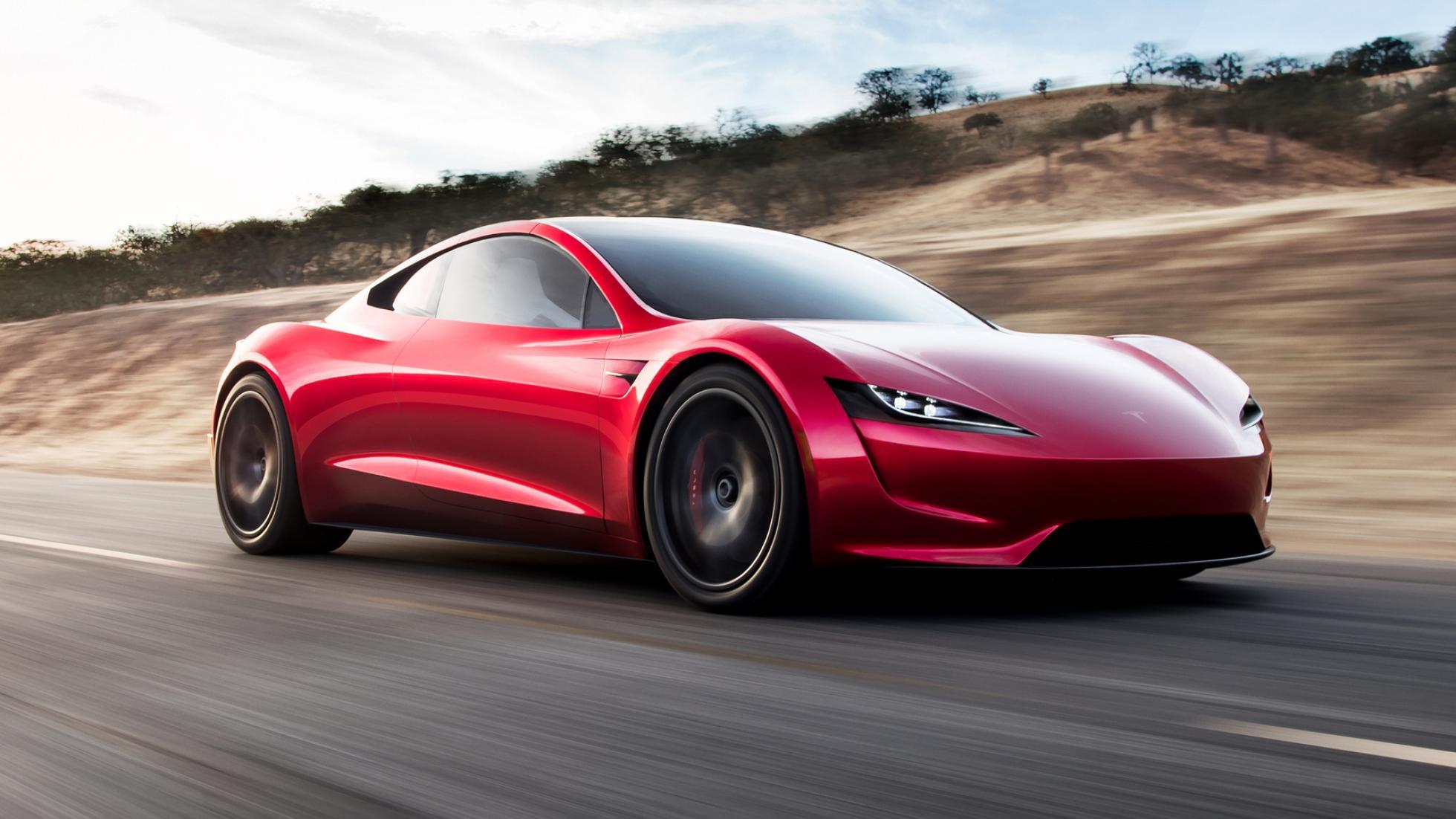
A vehicle for the modern age is no longer just a collection of mechanical parts designed to get a driver from point A to point B. Instead, it has evolved into a highly sophisticated, fully connected computing platform on wheels. Modern transportation must simultaneously address the pressing demands of environmental sustainability, cutting-edge digital connectivity, and advanced occupant safety. Understanding the anatomy of a truly modern vehicle reveals how the intersection of technology and design is redefining our relationship with the open road.
The Shift to Sustainable Powertrains: Beyond Fossil Fuels
At the heart of the modern automotive era is a fundamental reimagining of how a vehicle generates power. As global cities implement stricter emissions standards and consumers demand cleaner alternatives, the automotive industry has responded with an unprecedented push toward electrification.
The modern vehicle utilizes highly advanced battery chemistry and efficient electric motors to deliver instant torque, whisper-quiet operation, and zero tailpipe emissions. However, the transition to the modern age is not limited to pure battery electric vehicles (EVs). Recognizing that charging infrastructure varies wildly across the globe, innovative manufacturers are developing transitional powertrains, such as plug-in hybrids and range-extended electric drive systems. These systems utilize compact, highly efficient petrol generators to eliminate range anxiety while maintaining the smooth, responsive driving dynamics of an electric motor, ensuring that eco-friendly transit is accessible to everyone.
The Digital Cockpit: A Seamless Extension of Your Smart Life
Step inside a vehicle designed for the modern age, and the traditional dashboard cluttered with analog dials and plastic buttons has completely vanished. It has been replaced by an integrated digital ecosystem tailored to the lifestyle of the modern commuter.
Connectivity and Over-the-Air Updates
Modern vehicles are engineered around the concept of a software-defined architecture. This means the car is constantly connected to the cloud, allowing it to receive Over-the-Air (OTA) software updates just like a smartphone. These updates can instantly refine battery efficiency, introduce new entertainment applications, or patch security systems overnight, ensuring that the vehicle actually improves over time rather than depreciating in capability.
Intuitive User Interfaces
The user experience is anchored by massive, high-definition infotainment screens and customizable digital instrument clusters. By incorporating advanced voice recognition, artificial intelligence, and seamless smartphone integration, modern cockpits allow drivers to control navigation, manage media, and adjust cabin climates using natural speech. This intuitive design minimizes cognitive distraction, allowing drivers to keep their hands on the wheel and their eyes focused on the road ahead.
Intelligent Safety Systems: The Path to Autonomous Transit
For a vehicle to truly earn its title as a machine for the modern age, it must prioritize human life through the integration of proactive, preventative safety technologies. The focus of safety has expanded from passive protection—such as airbags and crumple zones—to active accident prevention.
Modern vehicles utilize an intricate array of sensors, including cameras, radar, and in some advanced models, LiDAR, to create a 360-degree digital shield around the car. These inputs feed directly into advanced driver-assistance systems (ADAS) capable of executing autonomous emergency braking, adaptive lane centering, and blind-spot intervention. By actively calculating the trajectory of surrounding traffic, pedestrians, and cyclists, a modern vehicle acts as a vigilant co-pilot, drastically reducing human error and paving a safe, gradual path toward a future of fully autonomous transit.
Conclusion
A vehicle for the modern age represents a brilliant convergence of sustainability, digital innovation, and life-saving safety technology. It is a machine that honors the environmental needs of our planet without sacrificing the thrill of personal freedom, while seamlessly blending into our interconnected digital lives. As software continues to redefine the boundaries of what a car can do, the modern automobile is ceasing to be a passive possession and is becoming an active, intelligent partner in our daily journeys. Embracing this new era of mobility means stepping into a cleaner, safer, and infinitely more connected future of travel.