There is an undeniable charm to driving an older vehicle. Whether it is a beautifully preserved classic from the 1970s, a rugged 1990s youngtimer, or simply a reliable decade-old daily commuter that has been paid off for years, older cars carry a distinct personality. They connect us to a simpler era of automotive design, offer a more analog driving connection, and free us from the endless monthly finance payments associated with modern showroom models.
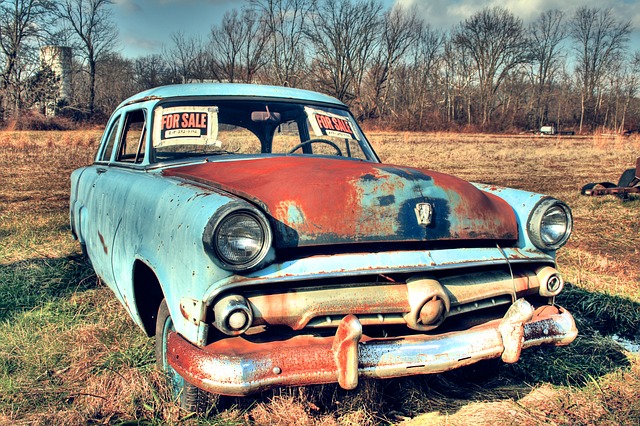
However, embracing the vintage lifestyle comes with a permanent catch. As an automobile ages, the laws of physics, thermodynamics, and chemistry inevitably take their toll. Rubber dry-rots, metal oxidizes, fluids degrade, and electrical connections lose their integrity. Owning a vehicle with significant mileage and years under its belt requires a shift from passive driving to proactive maintenance. Understanding the most common old car problems allows you to anticipate mechanical failures before they leave you stranded on the side of the highway.
1. The Silent Destroyer: Rust and Body Corrosion
For any vehicle that has crossed the decade mark, rust is the ultimate existential threat. Iron and steel components, when continuously exposed to oxygen and moisture, undergo a chemical reaction known as oxidation. This process is severely accelerated in coastal regions with salty sea air or in northern climates where road salt is used extensively during winter.
Rust typically begins its assault in hidden, moisture-trapping areas—such as wheel arches, rocker panels, floorboards, and the lower edges of doors. If caught early as superficial surface rust, it can be sanded down, treated with a chemical converter, and repainted. However, if ignored, it turns into structural rot, eating completely through the metal and compromising the structural safety of the vehicle’s chassis in a collision. Furthermore, heavily rusted bolts and suspension components make routine mechanical repairs significantly more difficult and expensive due to the risk of parts snapping during extraction.
2. Dry-Rotting Rubber and Chronic Fluid Leaks
While drivers naturally focus on the health of the heavy metal engine block, the true unsung heroes of an automobile are its rubber components. An older car is held together by an intricate network of rubber hoses, vacuum lines, drive belts, suspension bushings, and fluid seals.
Over years of enduring extreme engine heat cycles followed by freezing ambient temperatures, rubber naturally loses its plasticizers. It becomes brittle, stiffens, and develops fine cracks—a condition known as dry-rotting.
- Vacuum Leaks: Cracked rubber vacuum lines allow unmetered air into the engine, resulting in a rough idle, poor fuel economy, and persistent check-engine lights.
- Coolant Failures: Aging radiator hoses can suddenly burst under pressure, causing immediate engine overheating and severe head gasket failures.
- Oil and Fluid Leaks: Vital rubber gaskets, such as the valve cover gasket or main crankshaft seals, harden over time. This leads to chronic oil, transmission fluid, or power steering leaks that can stain your driveway and slowly starve mechanical components of necessary lubrication.
3. Electrical Gremlins and Corroded Ground Connections
Older vehicles, particularly those manufactured during the late 1980s through the early 2000s, often suffer from complex, highly frustrating electrical anomalies. Unlike modern vehicles that utilize simplified, digital multiplex wiring systems, older cars rely on massive, heavy wiring harnesses packed with physical copper wires, relays, and analog switches.
As time passes, copper wiring can fray, plastic insulation cracks open to create short circuits, and metal pins inside electrical connectors build up a layer of green corrosion that blocks electrical current. These issues often manifest as unpredictable “gremlins”—a power window that only works intermittently, a dashboard gauge that flickers when the headlights are turned on, or a battery that drains completely overnight for no apparent reason. Tracking down these faults requires a great deal of patience, a digital multimeter, and a systematic inspection of the vehicle’s grounding points.
4. Failing Suspension Components and Worn Bearings
The suspension system bears the physical brunt of every pothole, speed bump, and uneven road surface the car has encountered over its long lifespan. In an old car, the components responsible for delivering a smooth, controlled ride are almost certainly approaching the end of their operational utility.
Shock absorbers and struts gradually lose their internal hydraulic fluid pressure, leading to an excessively bouncy ride and poor handling stability during high-speed cornering. Simultaneously, rubber ball joint boots tear open, allowing road grit to grind away at the metal-on-metal joints. This results in distinct clunking or popping noises when steering or driving over bumps. Wheel bearings also dry out over time; when the internal lubrication fails, they produce a low, loud humming or roaring noise that increases in pitch as the vehicle accelerates.
Conclusion
Owning and maintaining an old car is a labor of love that demands vigilance, patience, and a financial budget dedicated to ongoing repairs. From the slow, destructive march of structural rust to the unpredictable nature of vintage electrical gremlins and dry-rotted rubber seals, older vehicles require an observant driver who can interpret subtle changes in sound, smell, and handling performance. However, these challenges should not discourage you from enjoying an older automobile. By committing to regular fluid changes, addressing minor leaks immediately, and treating rust at the first sign of appearance, you can successfully extend the lifespan of your vehicle, preserving its unique character and enjoying reliable, cost-effective transport for many miles to come.