A clean car windscreen is far more than just a matter of cosmetic pride; it is a fundamental pillar of road safety. Over time, your vehicle’s front glass accumulates a complex layer of road grime, dead insects, tree sap, water spots, and a stubborn oily residue emitted by plastic dashboard materials. During night driving or when facing direct sunlight, this microscopic film scatters light, creating blinding glares that can drastically reduce your reaction time.
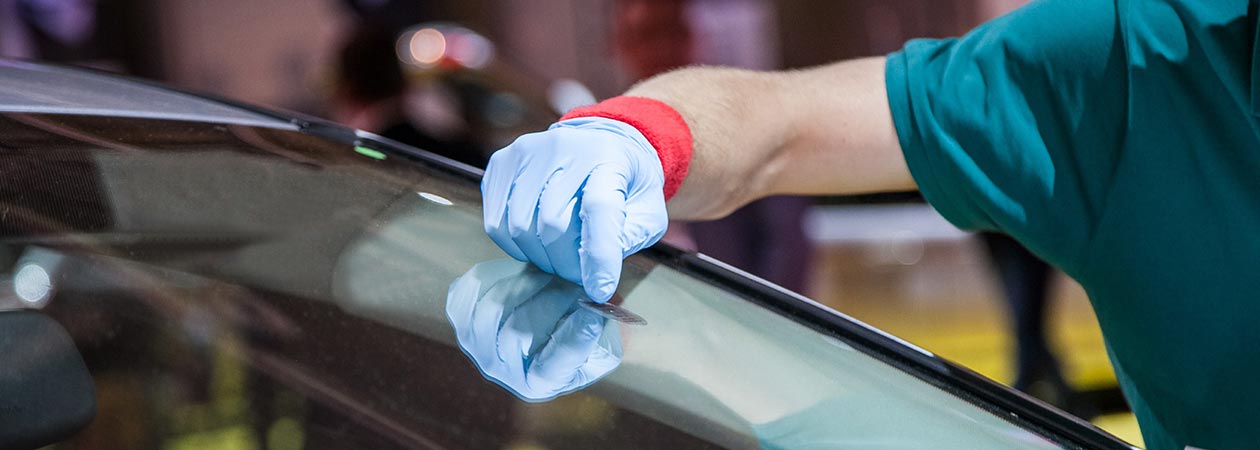
Many drivers assume that a quick squirt of washer fluid and a swipe of the wiper blades is enough to maintain clarity. However, achieving a truly crystal-clear, streak-free finish requires a deliberate technique and the right materials. This guide breaks down the professional step-by-step process to deep-clean your car windscreen, both inside and out.
Gathering Your Tools: Avoid Household Mistakes
Before you begin, it is vital to understand that automotive glass requires different treatment than household mirrors or windows. Using the wrong products can cause permanent damage to your vehicle.
Choose an Ammonia-Free Glass Cleaner
The most common mistake car owners make is using standard household glass cleaners that contain ammonia. While effective on kitchen windows, ammonia is highly destructive to automotive surfaces. It dries out and cracks rubber window seals, and if it accidentally oversprays onto your interior cabin, it can permanently discolor leather, vinyl, and plastic dashboards. More importantly, if your car has aftermarket window tinting, ammonia will chemically degrade the tint film, causing it to bubble and peel. Always opt for a dedicated, automotive-specific, ammonia-free glass cleaner.
Use High-Quality Microfibre Cloths
Ditch the old t-shirts, paper towels, and newspapers. Paper towels leave behind fine lint and dust particles, while newspapers can transfer wet ink onto your glass borders. Instead, gather at least three clean, high-quality microfibre cloths. Microfibre is designed to trap dirt within its microscopic hooks rather than just pushing the grime around the glass surface.
Step 1: Deep-Cleaning the Exterior Surface
The outside of your windscreen bears the brunt of environmental contamination. It requires a thorough washing to remove abrasive particles before you begin polishing.
Rinse Away Loose Debris
Never spray glass cleaner directly onto a dry, dusty windscreen. Doing so can trap tiny particles of sand and dirt beneath your cloth, creating fine scratches as you wipe. Always start by thoroughly rinsing the glass with clean water to flush away loose contaminants.
The Two-Cloth Technique
Spray your automotive glass cleaner generously over one half of the windscreen. Take your first clean microfibre cloth, fold it into quarters, and wipe the glass using a tight grid pattern—moving vertically from top to bottom, then horizontally from side to side. Avoid wiping in circular motions, as this tends to create swirl marks. Once the dirt is lifted, immediately take your second, completely dry microfibre cloth and buff the surface to a high shine before the cleaner can evaporate naturally. Repeat the process on the other half.
Step 2: Conquering the Stubborn Interior Film
Cleaning the inside of a windscreen can be physically awkward due to the angle of the dashboard, but it is often the dirtiest part of the car due to “outgassing”—a process where interior plastics release oily vapors that condense onto the cold glass.
Sit in the Passenger Seat
To give your arms maximum leverage and reach into the bottom corners where the glass meets the dashboard, sit in the front passenger seat rather than behind the steering wheel. This removes the obstruction of the steering column entirely.
Apply Cleaner to the Cloth, Not the Glass
When cleaning the interior, never spray liquid cleaner directly onto the windscreen. The airborne mist will drift down onto your dashboard, steering wheel, and electronic instrument clusters, potentially causing stains or electrical issues. Instead, spray your cleaner directly onto your microfibre cloth until it is damp, then reach forward to wipe the glass in a disciplined grid pattern. Buff it dry with a separate clean cloth.
Step 3: Don’t Forget the Wiper Blades
A perfectly clean windscreen will instantly become streaked again the moment it rains if you neglect your wiper blades. Road oils and ozone cause the rubber on your wipers to degrade and collect grime.
Lift your wiper arms away from the glass. Dampen a cloth with your glass cleaner or a little rubbing alcohol, and gently pinch the rubber squeegee blade between your fingers, sliding the cloth down the entire length of the blade. You will likely see a thick black residue transfer onto the cloth. Repeat this until the cloth comes away clean. Inspect the rubber for tears or stiffness, and aim to replace your blades every six to twelve months for optimal performance.
Conclusion
Maintaining a pristine car windscreen is a simple yet high-yield investment in your driving comfort and safety. By switching to ammonia-free automotive cleaners, utilizing premium microfibre cloths, and adopting a strict vertical-and-horizontal wiping grid, you completely eliminate the frustration of distracting streaks and dangerous night-time glares. Incorporate this deep-cleaning routine into your regular vehicle maintenance schedule, especially ahead of changing seasons or long road trips. When the glass completely disappears from your vision, you know you have mastered the art of the perfect clean.